Introduction
Caffeine is one of the most widely consumed stimulants in the world, found in coffee, tea, energy drinks, and even chocolate. For many, it provides the energy to start the day or stay alert at work. But how does caffeine affect blood pressure? For individuals with hypertension, this question carries important health implications.
The Science: How Caffeine Affects Blood Pressure
When caffeine is consumed, it stimulates the central nervous system by blocking adenosine, a natural chemical that promotes relaxation. This results in heightened alertness but also constriction of blood vessels, which can temporarily raise blood pressure.
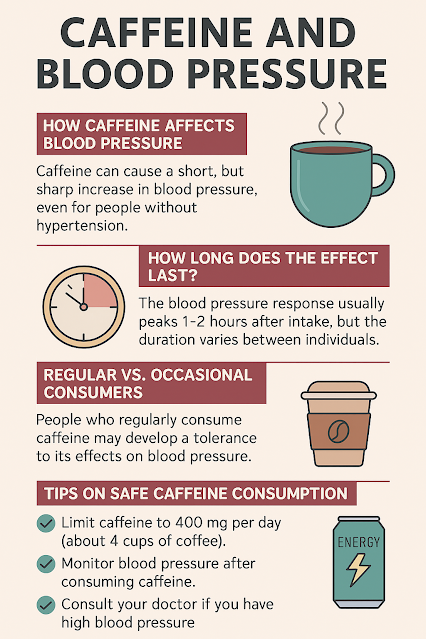
Even in people without hypertension, a single cup of coffee may cause a measurable increase in blood pressure within 30–60 minutes. The degree of this rise varies depending on genetics, habitual caffeine use, and overall lifestyle. Regular coffee drinkers may build tolerance, reducing the long-term impact, while others remain highly sensitive.
Research Evidence
-
A study published in the American Journal of Clinical Nutrition found that caffeine intake can cause an acute rise in blood pressure, though the effect diminishes in regular consumers.
-
The Mayo Clinic notes that limiting caffeine to under 400 mg per day (about 3–4 cups of coffee) is generally safe for most adults.
-
The American Heart Association highlights that while moderate coffee consumption may not be harmful, individuals with hypertension should monitor their blood pressure response carefully.
Lifestyle Context: Caffeine and Hypertension
-
Individual sensitivity: Some people see blood pressure spikes even at low caffeine doses.
-
Timing matters: Caffeine before exercise or during stress may further strain the cardiovascular system.
-
Medication interactions: Certain antihypertensive drugs may be less effective when combined with high caffeine intake.
-
Alternatives: Decaffeinated coffee and herbal teas provide options for those sensitive to caffeine.

Practical Tips for Safe Caffeine Use
✅ Limit caffeine to less than 400 mg per day.
✅ Monitor blood pressure 30–60 minutes after drinking coffee to assess personal sensitivity.
✅ Avoid caffeine before stressful events or workouts if you have high blood pressure.
✅ Consider decaffeinated or caffeine-free alternatives if spikes are consistent.
✅ Always discuss caffeine habits with your healthcare provider if you have hypertension.
Conclusion
Caffeine can cause a short-term increase in blood pressure, but its long-term effects vary among individuals. For most healthy adults, moderate coffee consumption is safe. However, for people with hypertension, monitoring and moderation are key.
👉 Key takeaway: Know your sensitivity. Manage caffeine wisely to protect your blood pressure.
Related Articles
References
- Mayo Clinic – Caffeine: How does it affect blood pressure?
- American Journal of Clinical Nutrition – Coffee, caffeine, and blood pressure: a review