Introduction
The kidneys and the cardiovascular system are intimately connected. While the kidneys regulate blood volume and filter waste, high blood pressure (hypertension) can silently damage these delicate organs. At the same time, chronic kidney disease (CKD) often worsens hypertension, creating a vicious cycle that accelerates heart and kidney failure.
Globally, CKD affects more than 800 million people, and hypertension is both a leading cause and consequence of this condition. Understanding this two-way relationship is essential for preventing complications and protecting long-term health.
The Science: How Blood Pressure and Kidneys Interact
-
Kidneys as Blood Pressure Regulators
-
The kidneys control sodium balance and blood volume, both crucial for blood pressure regulation.
-
Specialized hormones (renin, angiotensin, aldosterone) act through the renin-angiotensin-aldosterone system (RAAS).
-
-
Hypertension Damaging the Kidneys
-
High blood pressure damages renal arteries, reducing their ability to filter blood.
-
Over time, this leads to nephrosclerosis (hardening of kidney vessels), proteinuria, and progressive kidney failure.
-
-
CKD Worsening Hypertension
-
Damaged kidneys retain more sodium and water, increasing blood volume.
-
Overactivation of RAAS and sympathetic nervous system raises blood pressure further.
-
-
The Vicious Cycle
-
High blood pressure → kidney damage → worsening kidney function → higher blood pressure → eventual kidney failure.

Research Evidence
-
The Kidney Disease: Improving Global Outcomes (KDIGO) guidelines highlight hypertension as the most modifiable risk factor in CKD progression.
-
A study in The New England Journal of Medicine showed that strict blood pressure control reduced the risk of end-stage kidney disease (ESKD) by 45%.
-
The National Kidney Foundation (NKF) notes that nearly 1 in 3 adults with hypertension will develop CKD during their lifetime.
Lifestyle Contexts: Managing Hypertension in CKD
-
Salt Sensitivity
-
CKD patients are particularly salt-sensitive. Even small increases in sodium intake can significantly raise blood pressure.
-
-
Medication Challenges
-
Common blood pressure drugs (ACE inhibitors, ARBs) are also kidney-protective, but doses must be carefully monitored.
-
-
Comorbidities
-
Diabetes, obesity, and cardiovascular disease often coexist with CKD, complicating management.
-
-
Dialysis Patients
-
Hypertension is a major challenge for individuals on dialysis, requiring strict fluid and dietary management.
-
Practical Tips for Protecting Kidney and Heart Health
✅ 1. Limit Sodium Intake
-
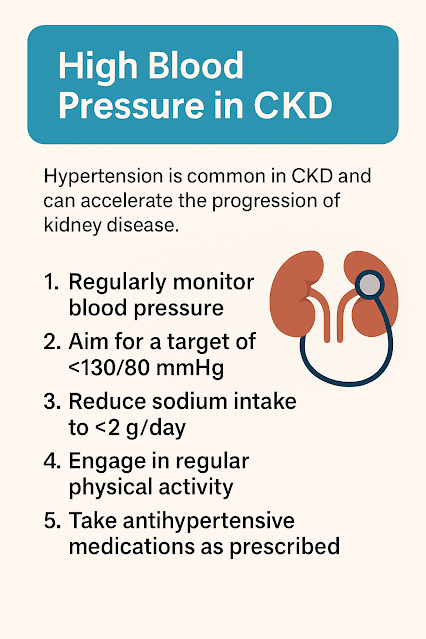
Aim for less than 2,000 mg per day, or lower if recommended.
-
Avoid processed foods and high-salt condiments.
✅ 2. Monitor Blood Pressure Regularly
-
Home monitoring helps track changes and medication effectiveness.
-
Target blood pressure may be stricter in CKD (e.g., <130/80 mmHg).
✅ 3. Maintain Healthy Weight
-
Weight loss reduces both hypertension and kidney disease progression.
✅ 4. Control Blood Sugar
-
For individuals with diabetes, strict glucose control prevents further kidney and vascular damage.
✅ 5. Stay Physically Active
-
Low-impact exercise like walking, swimming, or cycling supports cardiovascular and renal health.
✅ 6. Avoid Excessive Protein Supplements
-
While protein is essential, very high protein intake can strain kidneys further.
✅ 7. Follow Medical Advice Consistently
-
Medication adherence is critical — missing doses can accelerate kidney damage.
Why It Matters – Public Health Perspective
The rising prevalence of hypertension and obesity is fueling an epidemic of kidney disease worldwide. Managing blood pressure is one of the most effective strategies to prevent CKD progression and reduce healthcare costs.
Public health efforts — from reducing salt in processed foods to improving access to blood pressure monitoring — are essential in combating this dual burden.
Conclusion
Hypertension and kidney disease are partners in a dangerous cycle. High blood pressure silently damages the kidneys, while impaired kidneys worsen hypertension. Left unchecked, this loop can lead to dialysis, kidney transplant, or premature death.
The hopeful message is that controlling blood pressure can significantly slow CKD progression. With lifestyle changes, medication, and consistent monitoring, patients can protect both kidney and heart health.
👉 Key takeaway:
“Break the cycle: control your blood pressure, protect your kidneys.”
Related Articles
References
- KDIGO – Blood Pressure Management in CKD Guidelines
- PubMed Central – Hypertension in Chronic Kidney Disease: A Review