Introduction
Diabetes and hypertension are often called the “twin threats” to global health. Each condition alone increases the risk of heart disease, stroke, and kidney damage, but together, they form a dangerous partnership that accelerates complications.
According to the World Health Organization (WHO), nearly 1 in 3 adults worldwide has hypertension, and more than 400 million are living with diabetes. Alarmingly, up to 70% of people with diabetes also have hypertension.
This article explores the scientific connection between diabetes and high blood pressure, why this combination is so dangerous, and practical ways to break the cycle.
The Science: How Diabetes and Hypertension Interact
-
Insulin Resistance and Vascular Damage
-
In type 2 diabetes, insulin resistance leads to elevated blood sugar.
-
High glucose damages blood vessel walls (endothelium), making them stiff and prone to plaque buildup.
-
Hypertension worsens this process by applying extra force on already weakened vessels.
-
-
The Role of Obesity and Metabolic Syndrome
-
Excess body fat, particularly abdominal fat, contributes to both conditions.
-
This “metabolic syndrome” includes high blood sugar, high blood pressure, abnormal cholesterol, and central obesity.
-
Together, these dramatically increase the risk of cardiovascular events.
-
-
Kidneys as the Critical Intersection
-
High blood sugar damages kidney filtration units (nephrons).
-
High blood pressure accelerates scarring (nephrosclerosis).
-
Result: rapid progression to chronic kidney disease (CKD).
-
Research Evidence
-
A large study published in The Lancet showed that diabetes combined with hypertension triples the risk of heart attack and stroke compared to either condition alone.
-
The UK Prospective Diabetes Study (UKPDS) found that intensive blood pressure control in diabetics reduced the risk of complications (eye disease, kidney failure, stroke) by 37%.
-
The American Heart Association (AHA) calls diabetes and hypertension together the “deadliest duo” for cardiovascular mortality.
Why the Combination Is So Dangerous
-
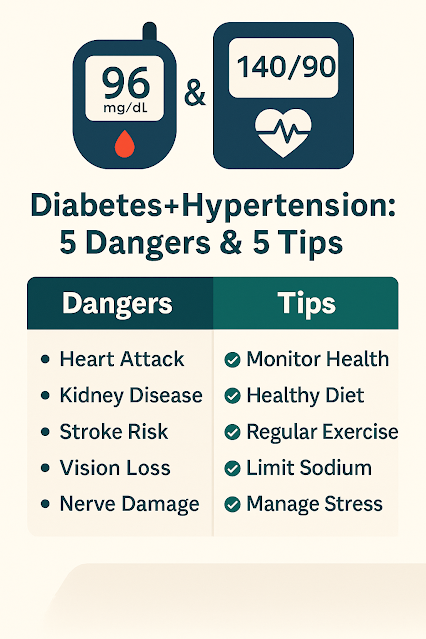
Silent but Accelerated Damage: Both diseases often show no symptoms until late complications.
-
Multiplying Risks: Each condition worsens the other, creating exponential—not additive—risk.
-
Target Organs at Risk: Heart, brain, kidneys, and eyes are the primary victims.

Practical Tips for Managing Both Conditions
✅ 1. Monitor Blood Pressure and Blood Sugar Together
-
Use a home BP monitor and glucometer.
-
Keep a combined diary to identify patterns (e.g., high glucose after meals linked to higher BP).
✅ 2. Prioritize a Balanced Diet
-
Adopt the DASH diet or Mediterranean diet, adjusted for carbohydrate control.
-
Limit sodium (<2g/day) and added sugars.
-
Choose whole grains, leafy greens, lean proteins, and healthy fats (olive oil, nuts).
✅ 3. Maintain a Healthy Weight
-
Even a 5–10% weight reduction significantly improves both blood pressure and insulin sensitivity.
✅ 4. Stay Active
-
At least 150 minutes/week of moderate exercise.
-
Include both aerobic (walking, cycling) and resistance training.
✅ 5. Take Medications Consistently
-
ACE inhibitors or ARBs are often first-line because they protect kidneys.
-
Statins may also be prescribed to reduce cardiovascular risk.
✅ 6. Manage Stress and Sleep
-
Chronic stress and poor sleep raise cortisol, worsening both blood pressure and glucose control.
-
Mindfulness, relaxation, and regular sleep schedules are critical.
Public Health Perspective
The dual burden of diabetes and hypertension is one of the biggest drivers of healthcare costs worldwide. Preventing and managing this combination is crucial to reducing disability and premature death. Governments are focusing on reducing salt, sugar, and trans fats in food, but individual awareness and lifestyle change remain central.
Conclusion
Diabetes and hypertension are like two sides of the same coin—separate conditions, but deeply interconnected. Together, they silently accelerate damage to the heart, kidneys, and blood vessels.
The good news is that lifestyle changes and effective medical care can dramatically reduce the risks. By eating wisely, staying active, monitoring both conditions closely, and following medical advice, people can break this deadly partnership.
👉 Key takeaway:
“Control your sugar, control your pressure—protect your future health.”
Related Articles
References
- NIDDK – Diabetes, heart disease & stroke
- WHO – Diabetes fact sheet