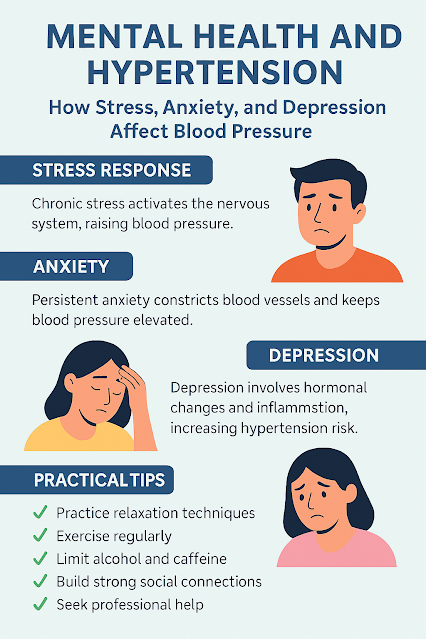
IntroductionHigh blood pressure (hypertension) is often described as a “silent killer.” While physical factors like diet, exercise, and genetics are well known, mental health plays a critical — and often underestimated — role in blood pressure regulation. Stress, anxiety, and depression can all trigger changes in the body that elevate…
Uncategorized
Ultra-Processed Foods and Health Risks: What You Need to Know
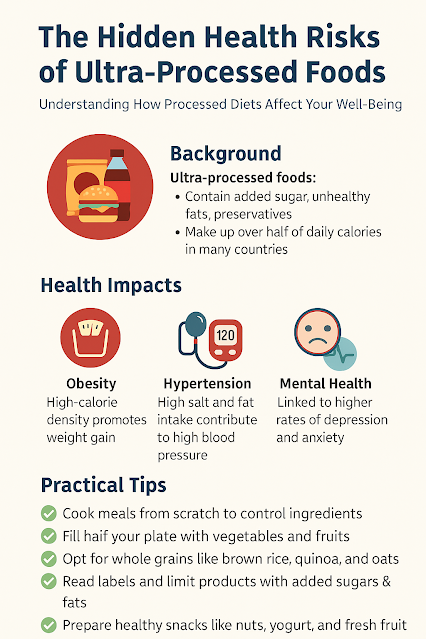
IntroductionUltra-processed foods (UPFs) have become a staple in modern diets, from packaged snacks and sugary drinks to instant noodles and ready-to-eat meals. While convenient and affordable, research increasingly shows that these foods come with significant health risks. Understanding how UPFs affect your body is essential for making healthier choices. The…
Menopause and Hypertension: How Hormonal Changes Affect Women’s Heart Health
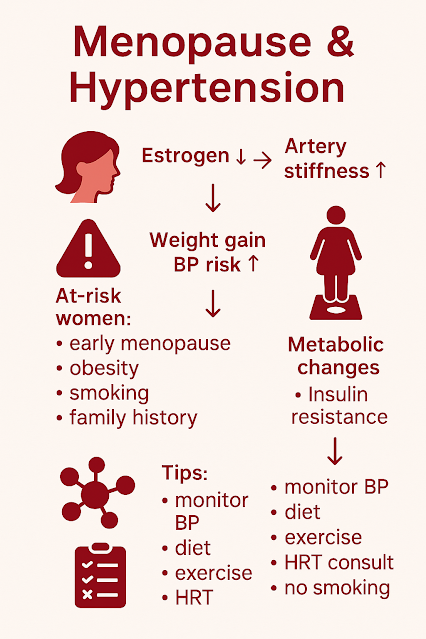
IntroductionMenopause marks a significant transition in women’s health, driven by hormonal changes that influence cardiovascular function. After menopause, the risk of developing high blood pressure rises sharply, making this life stage a critical window for prevention and awareness. The Science: Why Menopause Raises Blood Pressure Estrogen decline: Estrogen has protective…
High Altitude and Blood Pressure: How Thin Air Challenges Your Heart
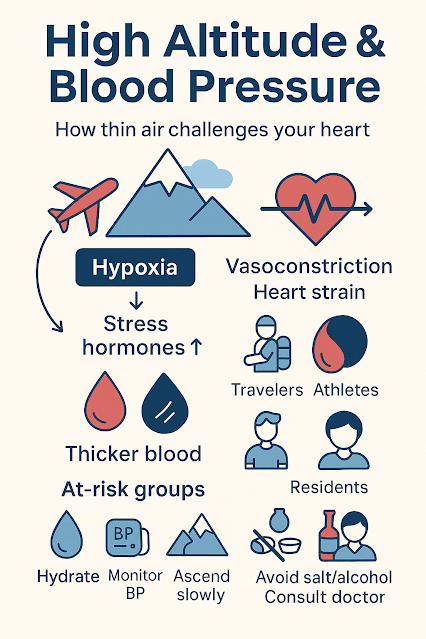
IntroductionTraveling or living at high altitudes exposes the body to thinner air with less oxygen. While many people adapt, those with hypertension or heart conditions face unique risks. Understanding how altitude impacts blood pressure is essential for prevention and safe living. The Science: How Altitude Affects Blood Pressure Hypoxia (low…
Digital Health Tools and Hypertension: Can Apps and Wearables Improve Blood Pressure Control?
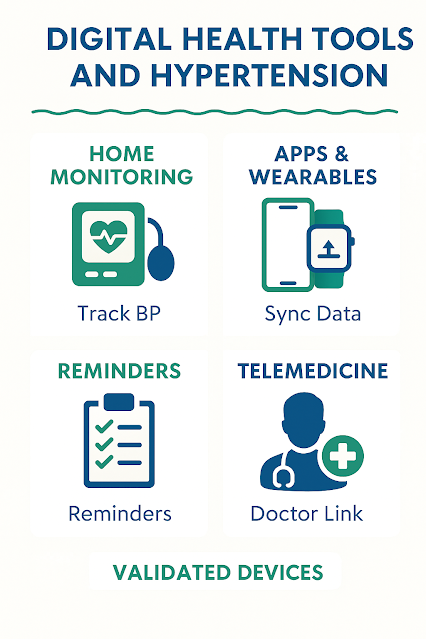
IntroductionDigital Health Tools and Hypertension: Can Apps and Wearables Improve Blood Pressure Control? Hypertension management is entering a new era with the rise of digital health. Mobile apps and wearable devices promise to make blood pressure monitoring more accessible, personalized, and engaging. But how effective are they really, and what…
Climate Change and Hypertension: How a Warming Planet Threatens Heart Health
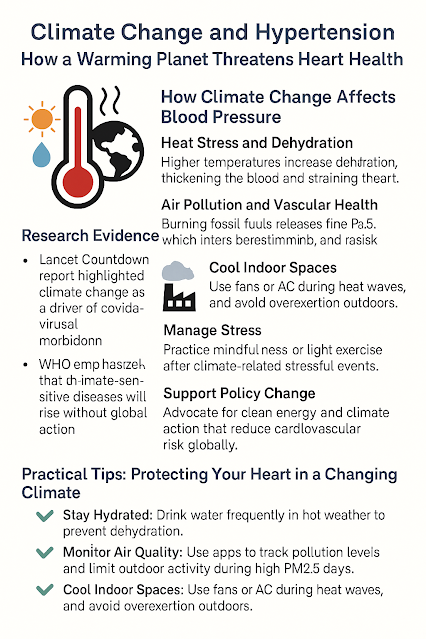
IntroductionClimate change is not only an environmental crisis but also a health crisis. Rising global temperatures, worsening air pollution, and extreme weather events are creating new cardiovascular risks. Among these, hypertension stands out as a major concern. The Science: How Climate Change Affects Blood Pressure Heat Stress and Dehydration Higher…
Cold Weather and Hypertension: Why Blood Pressure Rises in Winter
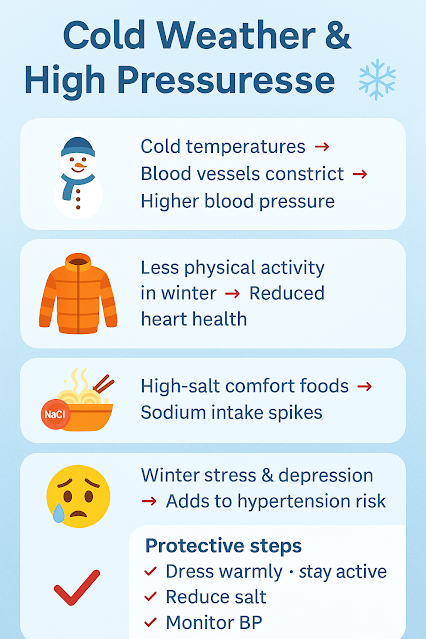
The Science: Why Blood Pressure Rises in Cold Weather When temperatures drop, blood vessels constrict to preserve body heat. This narrowing increases vascular resistance, causing blood pressure to rise. Studies show that systolic blood pressure can be 5–10 mmHg higher in winter than in summer. People with hypertension or cardiovascular…
Shift Work, Circadian Rhythm, and Hypertension: Why Night Work Raises Your Blood Pressure
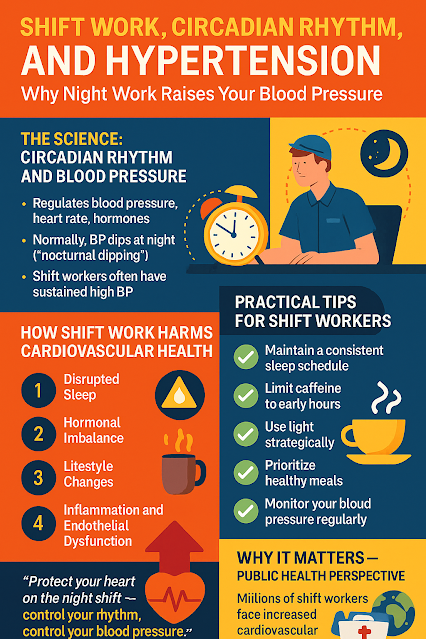
IntroductionHypertension is often thought of as a disease of diet and lifestyle, but mounting evidence shows that when you work can be just as important as what you eat. Shift work, particularly night shifts, disrupts the circadian rhythm — the body’s internal clock — and significantly raises the risk of…
Sleep Apnea and Hypertension: The Hidden Nighttime Risk
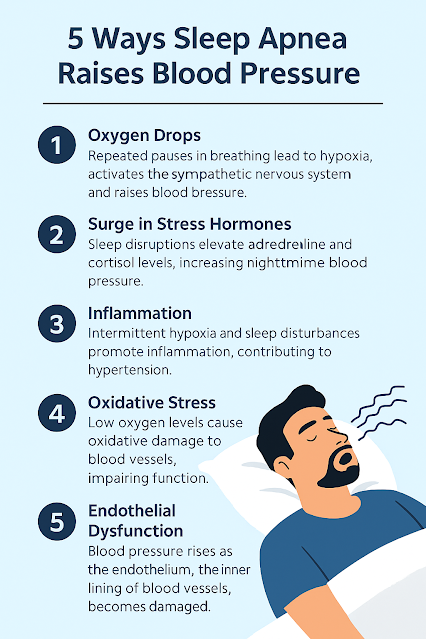
IntroductionSleep apnea is more than just loud snoring — it is a serious condition where breathing repeatedly stops during sleep. Each pause deprives the body of oxygen, triggering stress responses that raise blood pressure. Over time, untreated sleep apnea becomes a hidden driver of hypertension, increasing risks for stroke, heart…
Gut Microbiome and Blood Pressure: How Your Digestive Health Shapes Hypertension
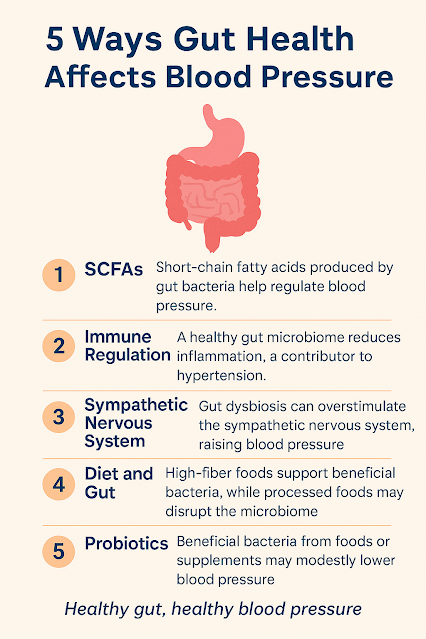
IntroductionThe gut is often called the “second brain,” but it may also be the “hidden regulator” of blood pressure. Emerging research suggests that the trillions of microorganisms in our intestines — collectively known as the gut microbiome — play a crucial role in cardiovascular health. From producing metabolites that influence…