Introduction
The gut is often called the “second brain,” but it may also be the “hidden regulator” of blood pressure. Emerging research suggests that the trillions of microorganisms in our intestines — collectively known as the gut microbiome — play a crucial role in cardiovascular health. From producing metabolites that influence blood vessels to shaping immune responses, the microbiome is rewriting our understanding of hypertension.
The Science: How Gut Microbiota Influence Blood Pressure
-
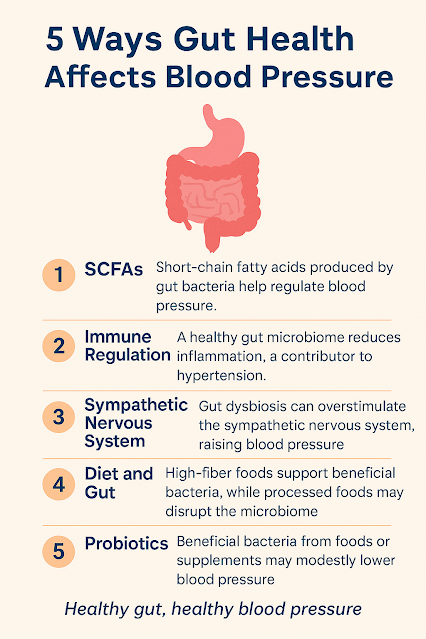
Metabolite Production: Short-chain fatty acids (SCFAs) like butyrate and propionate, produced by gut bacteria, help regulate vascular tone and reduce inflammation.
-
Immune System Modulation: Gut microbes shape immune responses, lowering chronic low-grade inflammation that contributes to hypertension.
-
Sympathetic Nervous System: Dysbiosis (imbalance of gut bacteria) can overstimulate the nervous system, elevating blood pressure.
Research Evidence
-
Animal Studies: Germ-free mice without gut microbiota often develop abnormal blood pressure regulation, highlighting microbial influence.
-
Human Studies: A Hypertension journal study showed that individuals with high blood pressure had significantly different gut bacterial compositions compared to normotensive individuals.
-
Probiotics: Clinical trials suggest that probiotic supplementation may modestly lower systolic and diastolic blood pressure, particularly in hypertensive patients.
Lifestyle Contexts: Diet, Probiotics, and Daily Choices
-
Western Diet: High-fat, high-sugar diets reduce microbial diversity, promoting dysbiosis.
-
Fiber-Rich Diet: Whole grains, legumes, fruits, and vegetables feed beneficial bacteria and boost SCFA production.
-
Fermented Foods: Yogurt, kefir, kimchi, and sauerkraut supply probiotics and support gut diversity.
-
Antibiotic Overuse: Repeated antibiotic exposure disrupts the gut ecosystem, increasing risks for metabolic and vascular diseases.
Practical Tips for Supporting a Healthy Gut and Stable Blood Pressure
✅ 1. Eat More Fiber
Whole grains, beans, fruits, and vegetables nourish beneficial gut bacteria.
✅ 2. Include Fermented Foods
Incorporate yogurt, kefir, or kimchi into daily meals for natural probiotics.
✅ 3. Limit Processed Foods
High-fat, high-sugar, and ultra-processed foods reduce gut microbial diversity.
✅ 4. Consider Probiotic Supplements
Choose strains studied for blood pressure benefits, such as Lactobacillus species.
✅ 5. Stay Physically Active
Exercise promotes a healthier gut microbiome and improves blood pressure regulation.

Public Health Implications
The microbiome-hypertension connection opens exciting possibilities: dietary interventions, probiotic therapies, and microbiome-targeted drugs may become part of hypertension treatment in the future. As cardiovascular disease continues to rise globally, focusing on gut health provides a low-cost, widely accessible prevention strategy.
Conclusion
The gut microbiome is more than just a digestive companion — it’s a hidden ally in controlling blood pressure. By nurturing beneficial bacteria through diet, lifestyle, and careful use of probiotics, individuals can protect both their gut and their heart.
👉 Key takeaway:
“Healthy gut, healthy blood pressure — nourish your microbiome to protect your heart.”
Related Articles
References
- American Heart Association – Gut Microbiome and Hypertension
- National Institutes of Health – The Gut Microbiome and Blood Pressure Regulation