Introduction
Obesity has become a global epidemic, with more than 650 million adults worldwide classified as obese. Beyond its impact on appearance or mobility, obesity is a major driver of high blood pressure (hypertension), one of the leading risk factors for cardiovascular disease.
The relationship is not just a correlation — excess weight directly alters how the body regulates blood pressure. Understanding this connection is key for anyone working to prevent or manage hypertension.
The Science: How Obesity Raises Blood Pressure
-
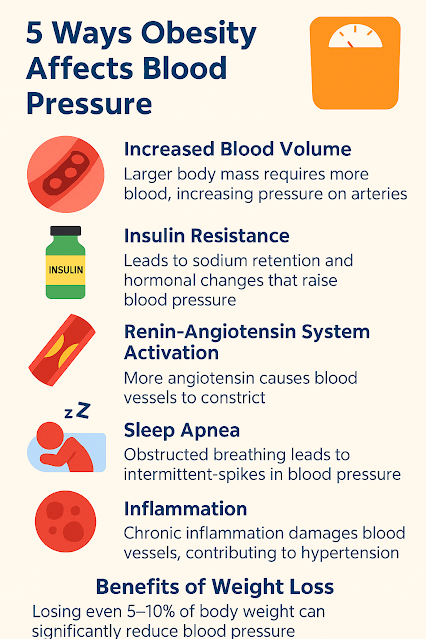
Increased Blood Volume
-
Excess body mass requires more blood to supply oxygen and nutrients.
-
This greater blood volume puts extra strain on arteries, raising blood pressure.
-
-
Insulin Resistance and Hormonal Effects
-
Obesity is strongly linked with insulin resistance, which increases sodium retention and sympathetic nervous system activity.
-
Both mechanisms elevate blood pressure chronically.
-
-
Activation of the Renin-Angiotensin System (RAS)
-
Adipose (fat) tissue is hormonally active, producing angiotensinogen that fuels the RAS system, causing blood vessel constriction.
-
-
Sleep Apnea Connection
-
Obesity, especially central obesity, is a leading cause of obstructive sleep apnea, which itself raises blood pressure through intermittent hypoxia.
-
-
Inflammation and Endothelial Dysfunction
-
Fat tissue releases inflammatory molecules that impair vascular function, contributing to hypertension and arterial stiffness.

Research Evidence
-
The Framingham Heart Study found that excess weight accounted for 65–75% of the risk of developing hypertension.
-
Studies show that losing as little as 5–10% of body weight can significantly reduce both systolic and diastolic blood pressure.
-
According to the World Health Organization (WHO), overweight and obesity are responsible for nearly 2.8 million deaths annually, with hypertension a key pathway.
Lifestyle Contexts: Obesity and Hypertension
-
Central (Abdominal) Obesity
-
Belly fat is more strongly linked to high blood pressure than general weight gain.
-
Waist circumference is often a better predictor of hypertension risk than BMI.
-
-
Obesity + Metabolic Syndrome
-
When obesity coexists with high blood sugar, high triglycerides, and low HDL, the risk of hypertension and heart disease rises exponentially.
-
-
Childhood Obesity
-
Rising obesity rates among children are fueling early-onset hypertension.
-
Unchecked, this translates into higher lifetime cardiovascular risk.
-
Benefits of Weight Loss on Blood Pressure
-
Immediate Effects
-
Within weeks of reducing calories and increasing physical activity, blood pressure often begins to decline.
-
-
Sustained Improvements
-
A long-term study showed that a 10-kg (22-lb) weight loss lowered systolic blood pressure by 5–20 mmHg.
-
-
Synergy with Lifestyle Changes
-
Combining weight loss with reduced salt intake, regular exercise, and stress management multiplies the benefit.
-
Practical Tips for Managing Weight to Control Blood Pressure
✅ 1. Adopt the DASH or Mediterranean Diet
-
Focus on fruits, vegetables, whole grains, lean proteins, nuts, and healthy fats.
-
These diets are clinically proven to lower blood pressure and support weight loss.
✅ 2. Prioritize Physical Activity
-
Aim for at least 150 minutes of moderate-intensity exercise per week.
-
Include both aerobic exercise (walking, cycling, swimming) and resistance training.
✅ 3. Manage Portion Sizes
-
Eating smaller, balanced portions helps prevent excessive calorie intake.
-
Using smaller plates and mindful eating strategies can help.
✅ 4. Improve Sleep Quality
-
Adequate sleep regulates appetite hormones and reduces stress-driven eating.
✅ 5. Monitor Progress
-
Regularly track both your weight and blood pressure.
-
Even small improvements are meaningful and motivating.
Why It Matters – Public Health Perspective
Obesity is not just an individual issue — it is a societal challenge linked to modern diets, sedentary lifestyles, and urban environments. Tackling obesity could prevent millions of cases of hypertension, heart disease, and stroke worldwide.
Public health campaigns increasingly emphasize comprehensive strategies: encouraging healthier diets, urban planning that promotes physical activity, and policies reducing sugary drink consumption.
Conclusion
Obesity and high blood pressure are inseparable partners in cardiovascular risk. Excess weight increases blood volume, disrupts hormones, and damages blood vessels — all of which drive hypertension.
The encouraging news is that weight loss, even modest, significantly improves blood pressure and lowers cardiovascular risk.
👉 Key takeaway:
“Losing weight is not just about appearance — it’s a direct investment in your heart health.”
Related Articles
References
- Mayo Clinic – Obesity and blood pressure